Deep dives into AI engineering, LLM benchmarks, agent architectures, and the evolving landscape of AI-assisted software development.

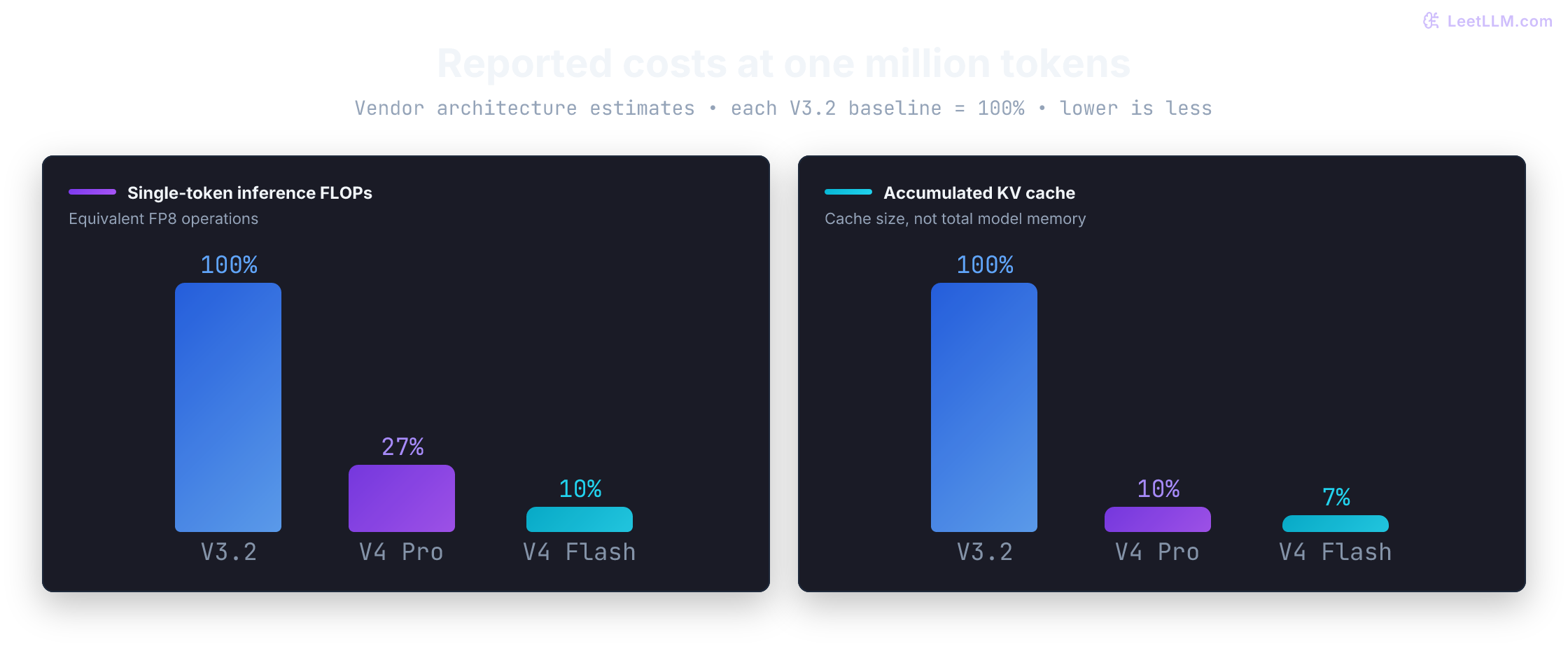
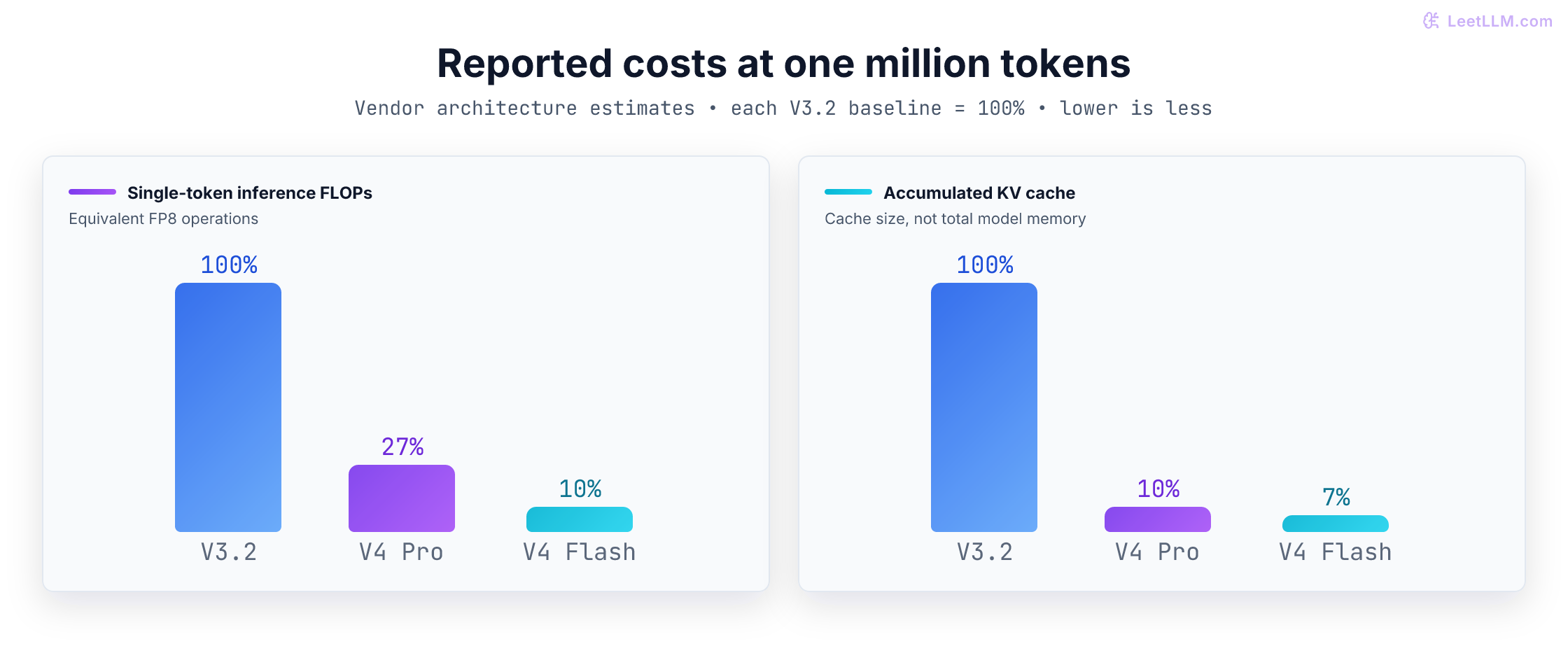
DeepSeek V4 pairs open weights, 1M context, and low hosted pricing with strong agentic coding results. The bigger story is what that does to closed API economics and US lab positioning.

OpenClaw plan selection is mostly a routing and quota problem. This guide compares current Fireworks Fire Pass, MiniMax Token Plan, Z.AI, Alibaba Cloud Coding Plan, and OpenAI routes using official docs and the actual OpenClaw provider paths.

Gemma 4 documents Apache 2.0 open weights, laptop-scale E2B and E4B Ollama tags, and a 26B mixture-of-experts (MoE) path with 3.8B active parameters per token. This guide shows how to pick the right tag, enable thinking mode, and tune long-context sessions.

Raw throughput is only half the inference-engine decision. This guide teaches PagedAttention with worked memory math, analyzes an H100 benchmark snapshot, then explains how workload shape, prefix reuse, and deployment friction matter as much as tok/s.
Fifty LLM engineering concepts, organized by topic and system layer. Each explanation goes beyond definitions to cover trade-offs, failure modes, and production intuition.

Frontier APIs now expose seven-figure context windows around the 1M-token range. This guide explains what fits, what breaks, how to evaluate effective context length, and when economics justify using it.

Qwen3.5 in Ollama spans primary aliases from 0.8B to 122B plus explicit quantized variants. This guide shows how to choose the right local tag, keep context size realistic, and expose it through Ollama's OpenAI-compatible API.

Build a working AI agent from the raw loop: define tools, let the model choose one, execute it in Python, append the observation, and add the guardrails that keep agents reliable.

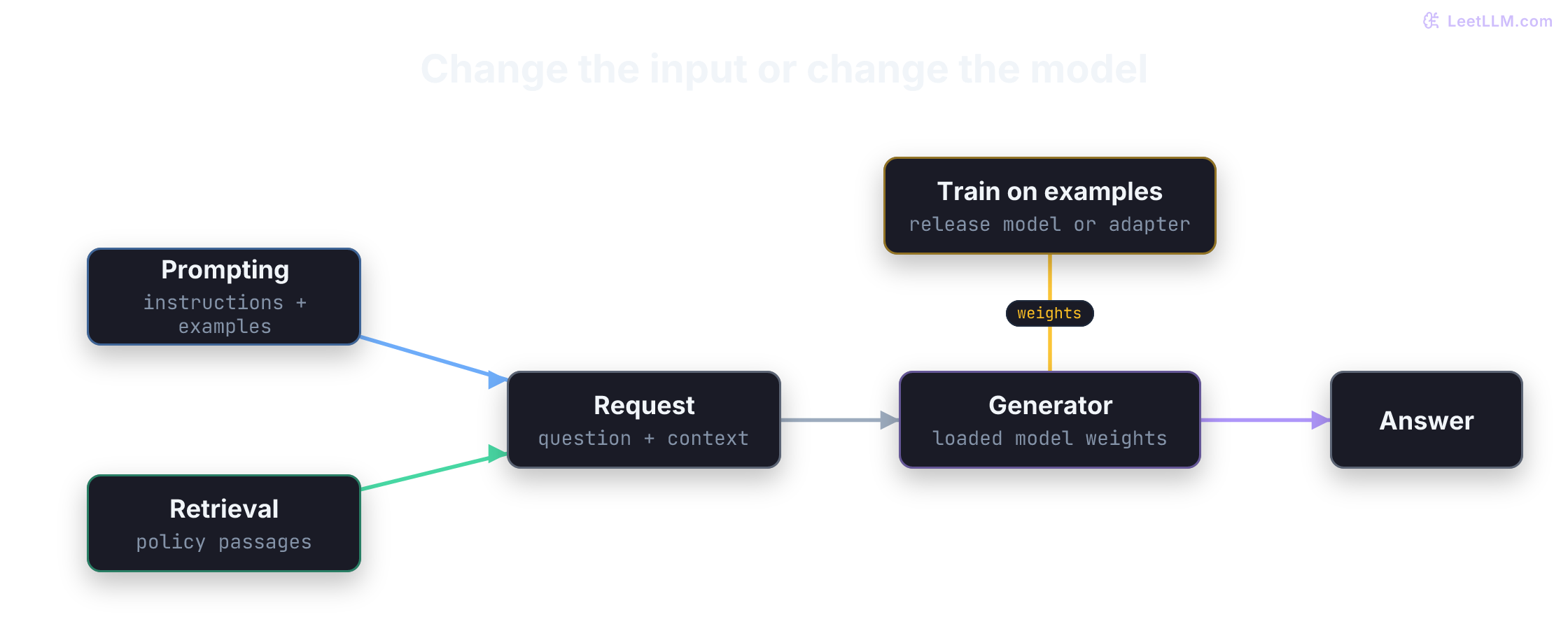
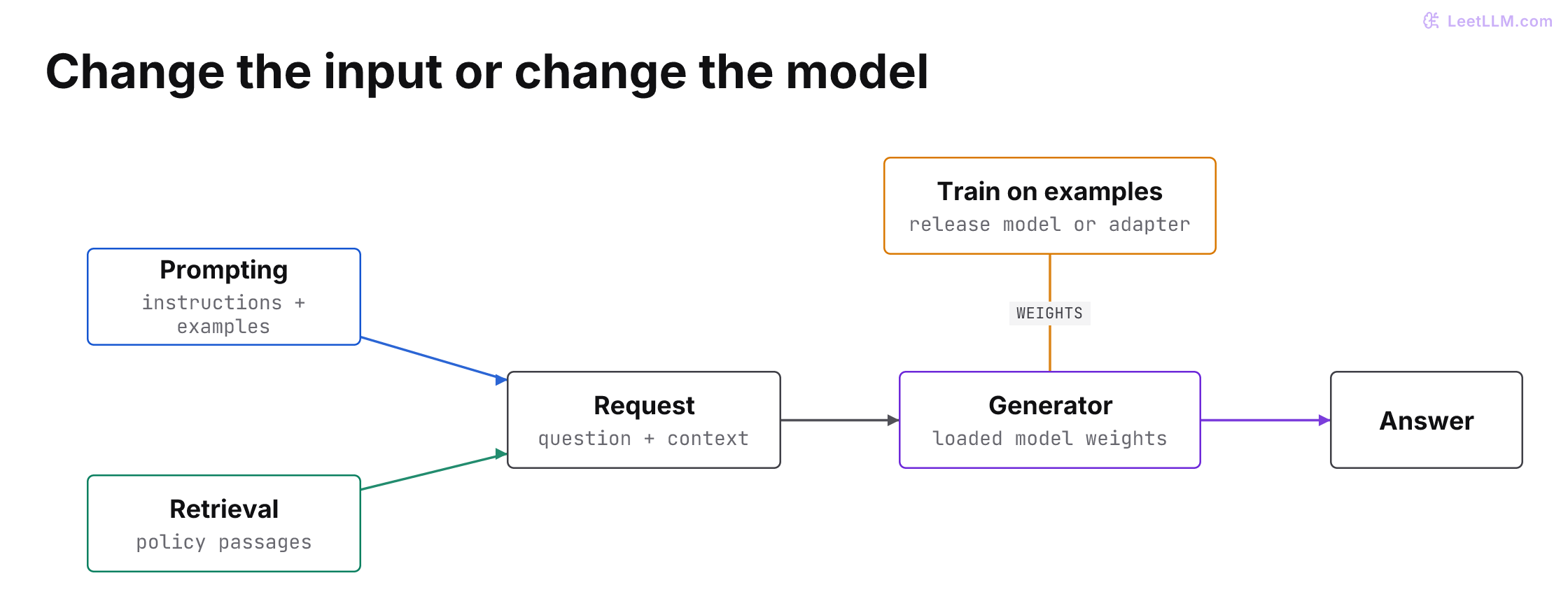
Every LLM project starts with the same architecture question: use RAG, fine-tune the model, or improve the prompts? This guide gives a practical decision framework, explains the trade-offs, and shows where each approach tends to win.

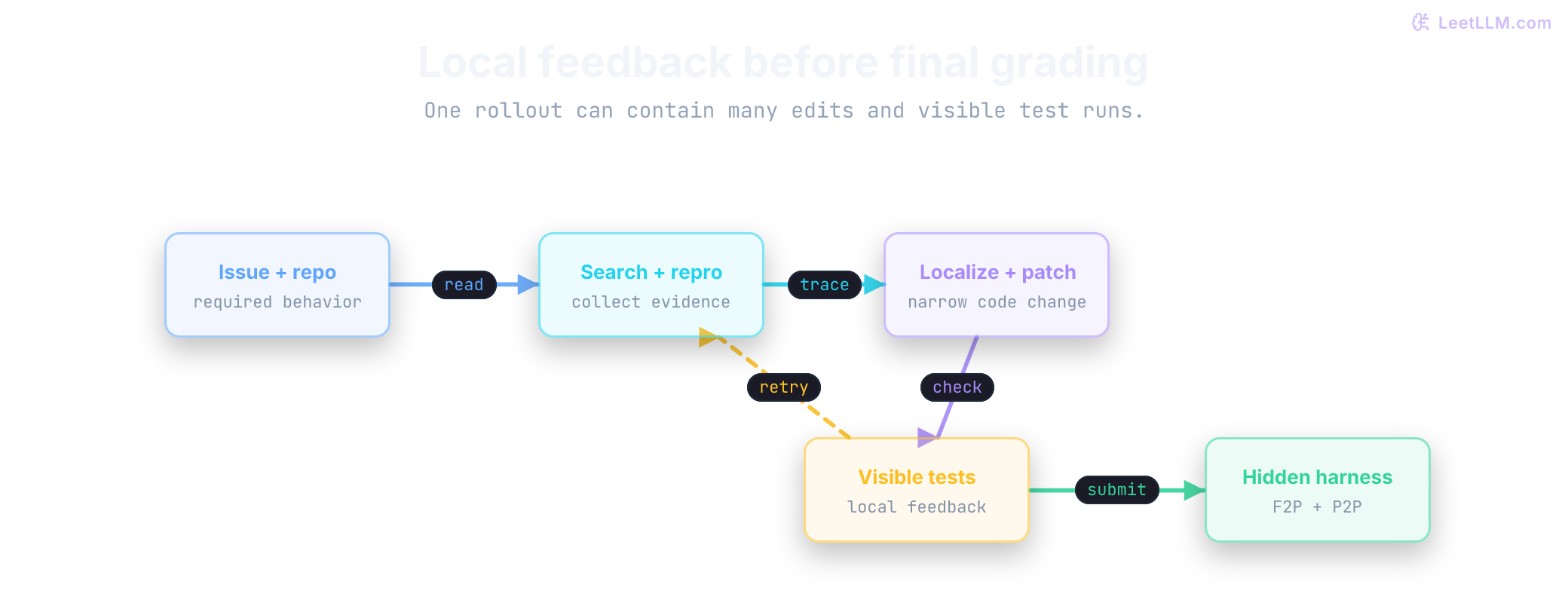
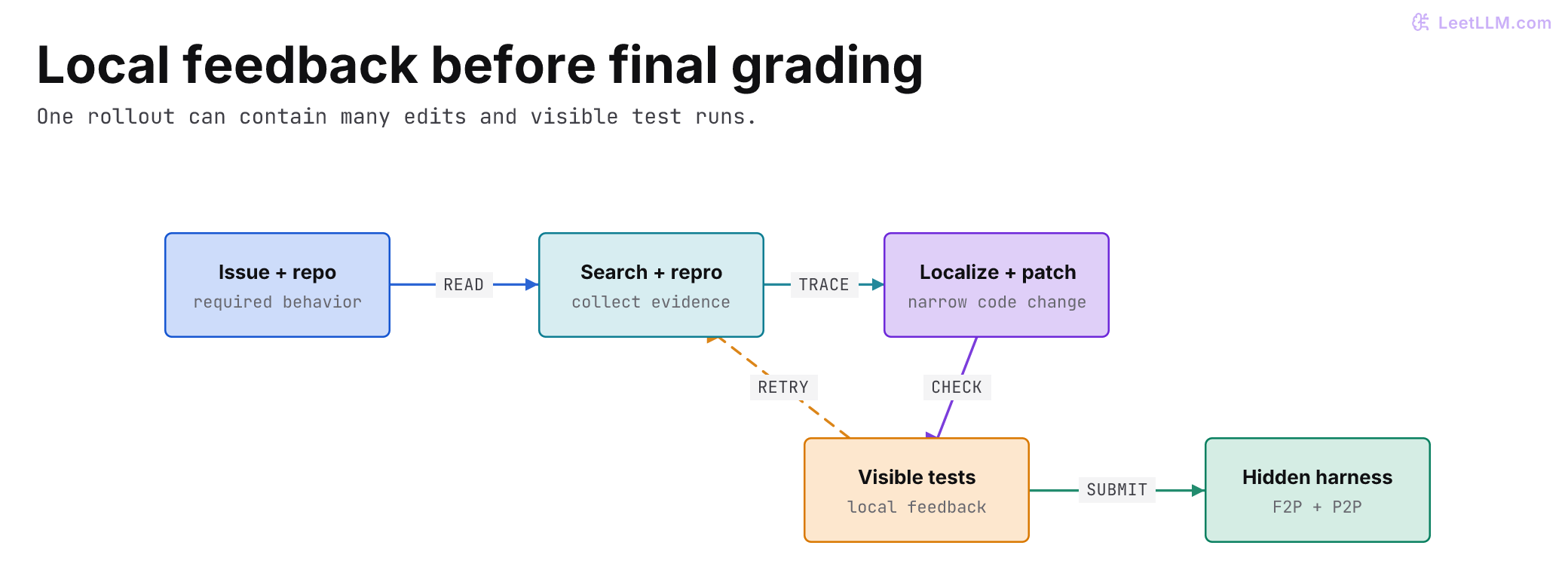
SWE-bench is a widely used benchmark for measuring AI coding agents. This guide breaks down methodology, variants, scoring mechanics, and what leaderboard results mean for production engineering.

Five portfolio projects that prove real AI engineering skill: shipped demos, eval reports, traces, cost notes, tests, and design docs.

A practical path from beginner to hire-ready AI engineer: programming basics, LLM APIs, RAG, evals, agents, deployment, and portfolio proof.

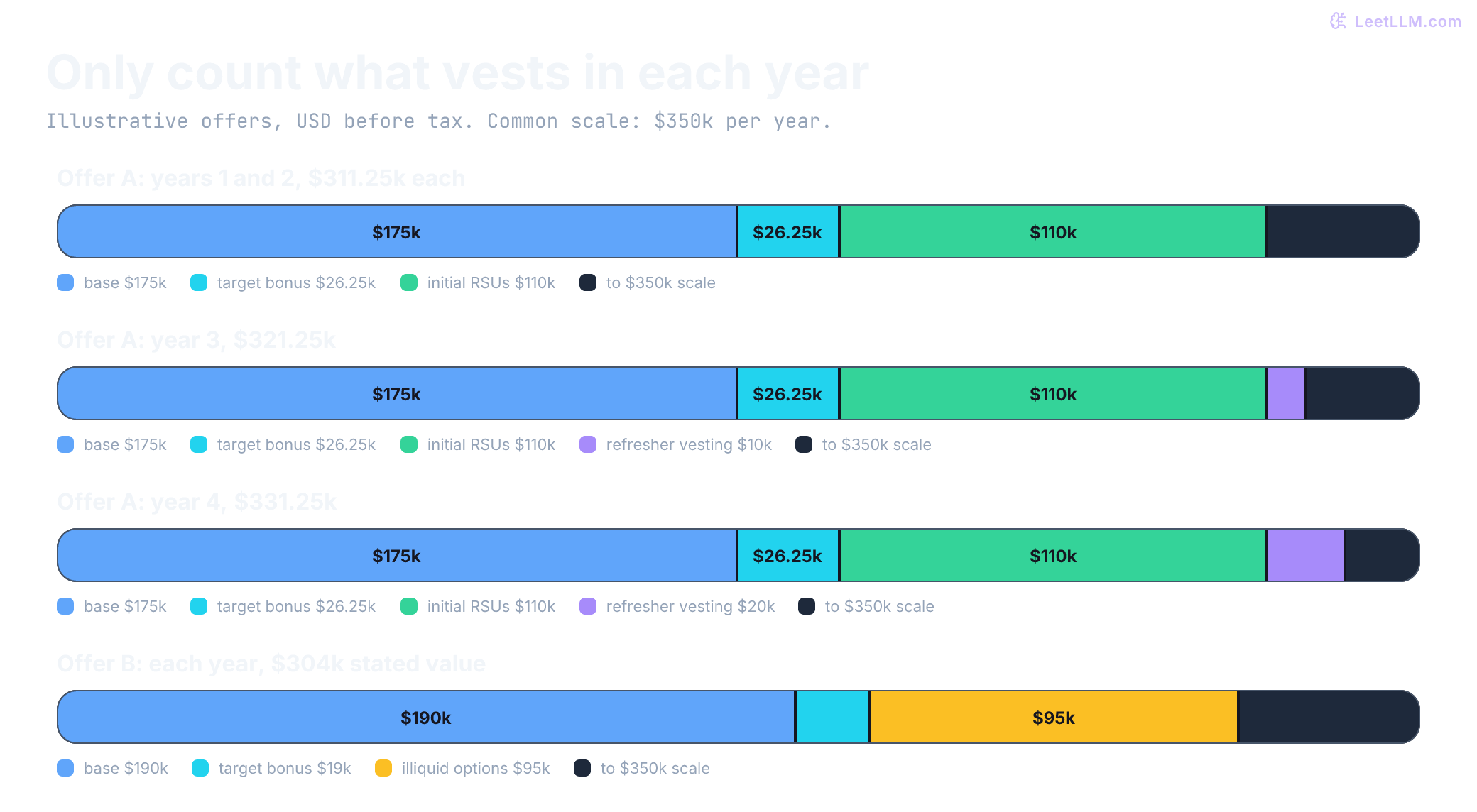
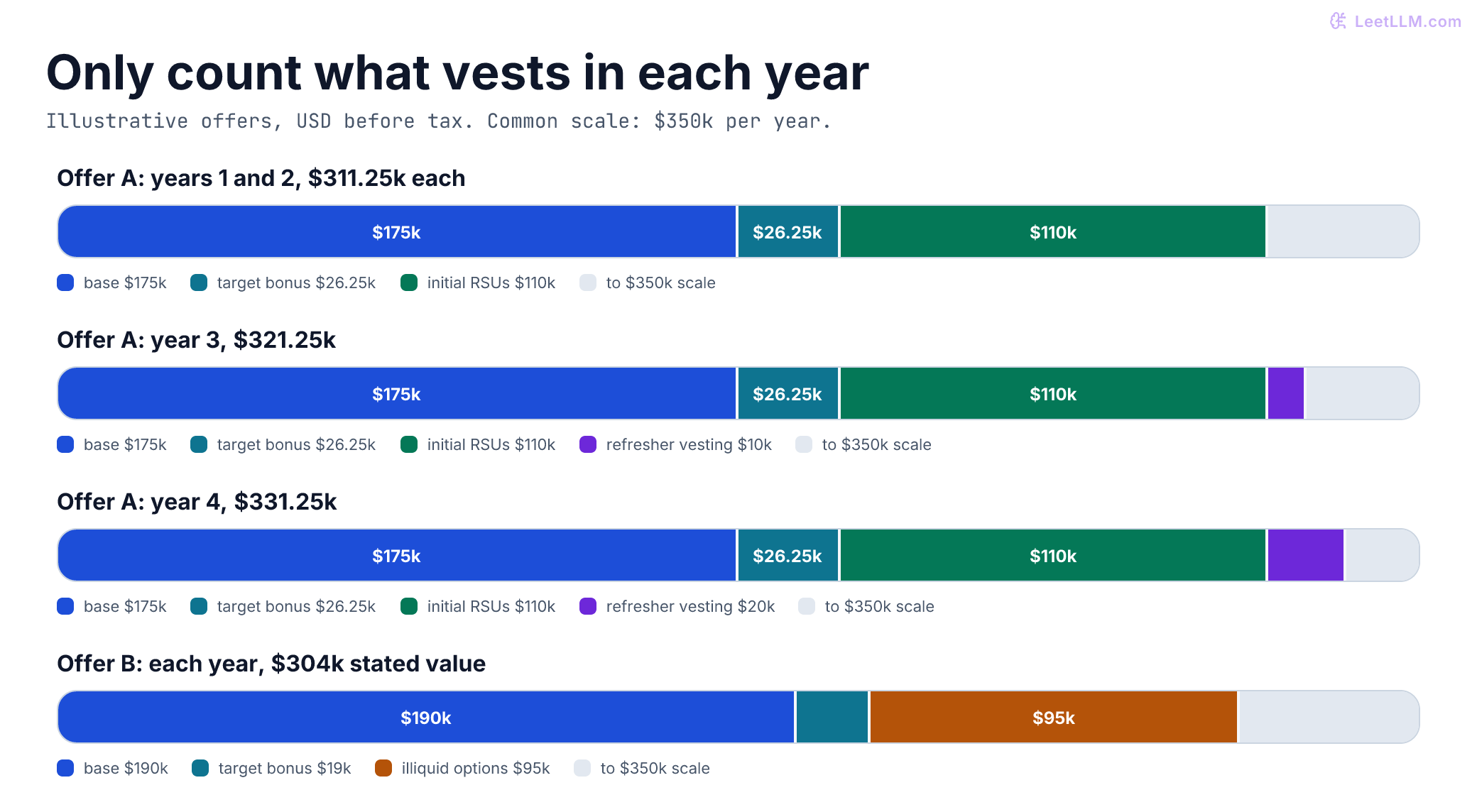
AI engineering pay is not one market. This guide uses public 2026 job postings, Levels.fyi's verified self-reported compensation data, and H-1B salary records to benchmark offers by level, company tier, location policy, and technical scope.

AI engineering sits between foundation models and product engineering. We break down the day-to-day work, core skills, and career paths behind shipping LLM systems in 2026, from hybrid RAG pipelines and evals to distributed serving internals and lightweight fine-tuning.

A practical guide to ML and LLM engineering interview prep in 2026, covering classical ML filters, LLM systems design, evaluation, and a concrete study roadmap.